
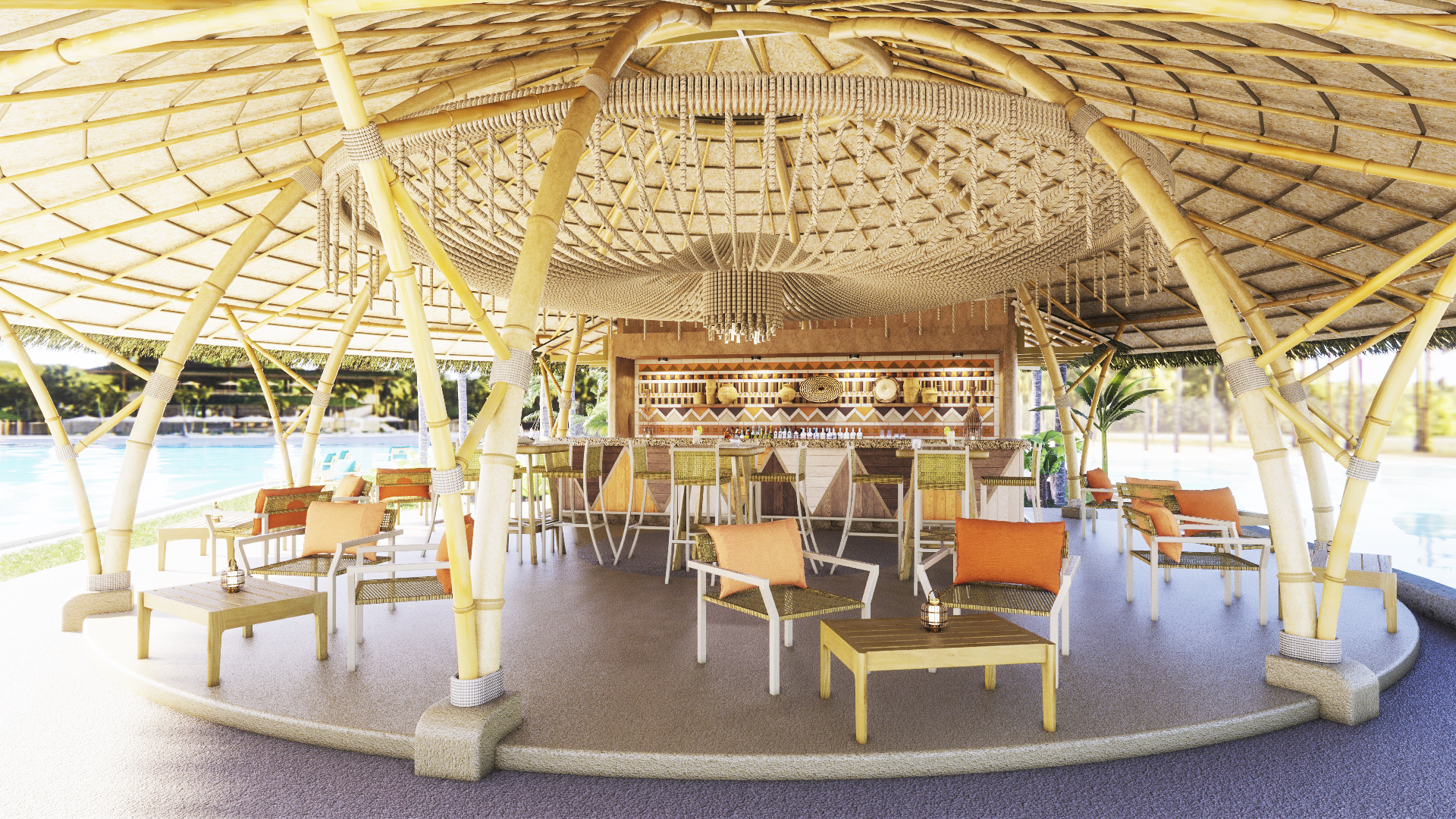
Bamboo has been used as a building material for centuries in parts of Asia, and now, its appeal is growing globally due to its sustainability, strength, and versatility. Bamboo construction offers numerous benefits, making it a superior alternative to traditional materials like wood and concrete. Let’s explore why bamboo is a powerful and sustainable solution for the future of architecture.
1. Sustainability
Bamboo is an exceptionally sustainable material. It grows much faster than traditional hardwoods, reaching maturity in just 3-5 years compared to decades for most trees. Additionally, bamboo is a renewable resource that regenerates from its root system after harvesting, requiring fewer resources like water and pesticides to cultivate. Not only does it reduce deforestation, but bamboo also helps stabilize soil and prevents erosion.
Moreover, bamboo is a carbon-negative material. It absorbs more carbon dioxide and releases more oxygen than most plants, playing a significant role in combating climate change. Using bamboo in construction can significantly reduce the carbon footprint of building projects and contribute to environmental sustainability.
2. Durability and Strength
Despite its lightweight nature, bamboo is incredibly strong. It has a tensile strength comparable to steel and a compressive strength similar to concrete. These properties make bamboo an excellent option for structural elements in buildings, capable of withstanding natural disasters like earthquakes due to its flexibility and resilience.
With proper treatment, bamboo can be highly durable, lasting for decades when protected from moisture and pests. Traditional methods, such as borax treatment, are often used to enhance its longevity and protect it from insects and fungi.
3. Versatility in Design
Bamboo is incredibly versatile. Its natural flexibility allows architects to create curved, organic shapes that are difficult to achieve with conventional materials. Whether used for flooring, walls, roofing, or even entire structures, bamboo adapts well to a variety of architectural styles.
Contemporary bamboo projects range from homes and schools to playgrounds and large public spaces. Ckori Pena, for example, used bamboo in her winning design for Doris the Nudibranch, a bamboo playground at Kul Kul Farm in Bali, which showcases how bamboo can blend function, beauty, and environmental consciousness.

4. Economic Benefits
Bamboo construction also supports local economies, particularly in rural areas where bamboo is abundant. Farmers and craftsmen can earn a steady income through bamboo cultivation and its various applications in construction. Additionally, bamboo’s lightweight nature makes it easier to transport and work with, reducing labor and logistical costs in building projects.
5. Cultural and Aesthetic Appeal
Bamboo carries significant cultural importance in many regions, particularly in Asia, where it has been used for centuries in traditional construction. Its use in modern architecture is a beautiful fusion of tradition and innovation. Bamboo structures often exude a natural elegance, creating serene, eco-friendly spaces that foster a deep connection with nature.
6. Low Environmental Impact
Bamboo’s low-energy production process and minimal waste output make it one of the most environmentally friendly building materials available. Unlike other building materials that contribute to deforestation and environmental degradation, bamboo can be harvested without killing the plant, making it a renewable resource that regenerates quickly. Additionally, it is biodegradable, so once its lifecycle in construction is complete, bamboo decomposes without leaving harmful waste.
Conclusion
Bamboo is more than just an eco-friendly material—it is a sustainable, strong, and versatile building solution with enormous potential for modern architecture. Its role in addressing environmental challenges, supporting local economies, and fostering innovative design makes bamboo a powerful tool for the future of construction. By embracing bamboo, architects and builders can create structures that are not only functional and beautiful but also gentle on the planet.