

Creating a harmonious color flow throughout a home or commercial space can be challenging, but it’s essential for a seamless, inviting feel that brings balance from one room to the next. At Studio CKP, we know that well-chosen colors can transform spaces, add warmth, and connect rooms for a unified look. Today, we’re sharing our process and tips on how to choose colors that flow from room to room, helping you achieve a beautiful transition in every area of your space.
1. The Importance of Color Flow in Interior Design
To create a unified feel across different spaces, your chosen color palette should flow seamlessly. But what does “color flow” mean? Imagine walking through spaces where each room feels like part of a cohesive whole, rather than a collection of disjointed spaces. We create color flow by carefully selecting colors that complement each other and provide a subtle transition. Whether we’re working on open floor plans or a series of individual rooms, our goal is to use color as a connector, blending shades that enhance the architecture and each space’s purpose.
2. Starting with a Core Palette
To set the foundation for any design, we start with a core palette—an essential set of colors that will serve as the backbone for the entire building. This doesn’t mean that every room has to be painted the same color. Instead, we choose 3-5 versatile shades that work well together and provide options for continuity. These shades typically include one or two neutrals, like soft whites, beiges, or grays, alongside accent colors that add personality. For instance, if your core palette includes earthy greens and warm taupe, these tones can be repeated in various intensities throughout your home for a naturally flowing effect.
3. Choosing a Main Neutral as Your Anchor
When it comes to how to create color flow through your chosen space, one of the most effective techniques is to choose a main neutral that serves as an “anchor.” This anchor color is used across multiple rooms, providing a subtle backdrop that complements each space. Neutrals—think off-whites, light grays, or even a soft greige—can tie everything together. We recommend selecting a shade that works well with natural light and other colors in your core palette. An anchor neutral on walls or large pieces of furniture sets the tone without overwhelming, allowing accent colors to shine where they’re needed most.


4. Creating a Gradient with Transitional Colors
Color transitions don’t need to be abrupt or overly uniform; they can be subtle shifts that guide you from one room to the next. For example, if one room has a deep forest green wall, the adjoining room might feature a softer sage green or olive accent. This gradient effect provides continuity without monotony. A gentle gradient of colors can also be used on wood stains, upholstery, or even in artwork and textiles that naturally connect spaces. We find that blending colors in this way not only enhances flow but also makes each room feel thoughtfully connected and alive.
5. Using Accent Colors Strategically
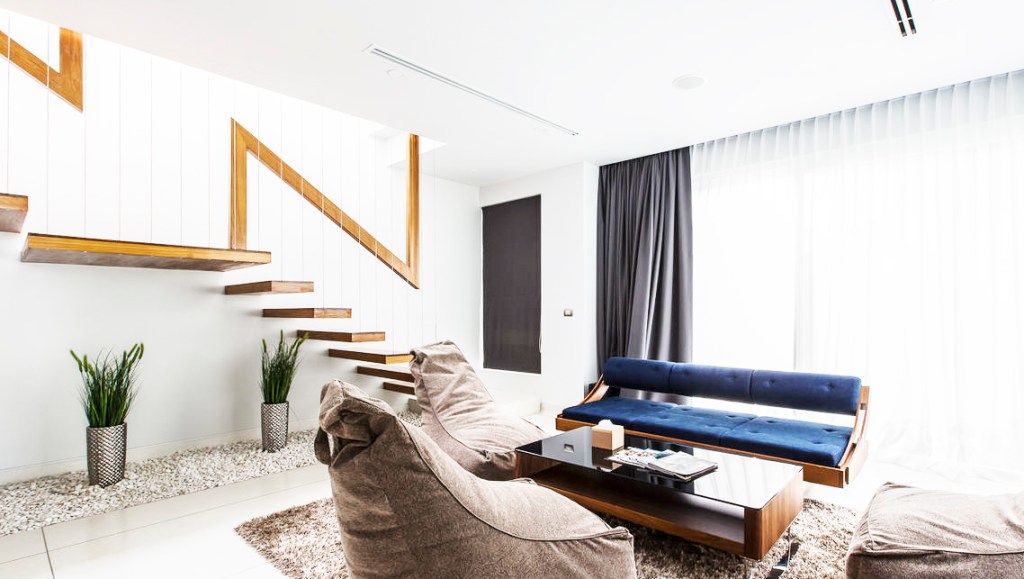
To add energy and individuality to each room, we choose accent colors that reflect the space’s purpose and personality. If you’re wondering how to transition colors from one room to another, accent colors can play a pivotal role. Think of each accent as a “thread” that ties the spaces together. For instance, if we’ve incorporated navy blue accents in the living room, we might carry this blue into the adjacent dining area with chairs, textiles, or decor pieces. When accents echo a theme, they can create a rhythm that feels natural and balanced throughout your home.
6. Bringing in Natural Elements to Enhance Color Flow
Another effective way to achieve a sense of cohesion is through natural materials. Woods, stones, and metals can complement or enhance color choices without feeling forced. In open-plan spaces, we might use a light oak floor to tie everything together, or dark walnut furniture that coordinates with accent colors. Natural materials provide warmth and texture, which can add a sense of unity even in rooms with distinct color schemes. Additionally, plants and greenery are excellent for adding organic color pops that suit any palette, making them perfect for rooms that need a touch of life and continuity.
7. Creating a Personalized Flow with Unique Colors
Color flow is about balance and cohesiveness, but it doesn’t mean every room has to look the same. We believe that each space should tell its own story while contributing to the home’s overall aesthetic. To personalize flow, we add subtle variations within the chosen palette. Bedrooms might have softer tones for a calm atmosphere, while a bolder shade could work perfectly in a lively family room. Creating color flow through a house doesn’t mean sticking to a rigid scheme; it’s about thoughtfully adjusting colors to fit each room’s function and vibe while keeping the palette connected.
How to Make Color Flow Work in Your Space
Implementing these color flow strategies in your own home may seem challenging, but here are a few simple steps to get started:
- Define Your Core Palette: Start by choosing a few colors that inspire you and complement each other.
- Select Your Anchor Neutral: Find a main neutral that works well with your home’s natural light and architecture.
- Consider Transitional Colors: Use subtle shifts in color to guide transitions from one room to another.
- Add Accent Colors with Intention: Decide on a few accent shades and repeat them across different rooms.
- Incorporate Natural Materials: Use wood, stone, and plants to enhance color flow organically.
Through these steps, you’ll create a connected, harmonious look that feels inviting and cohesive.
In every project, we focus on building color flow from one room to the next. From selecting a core palette to incorporating accents and natural materials, we guide our clients in choosing colors that create a seamless transition throughout their projects. Whether you’re planning a full renovation or a simple refresh, embracing these techniques will help you achieve a balanced, cohesive space that feels entirely yours.
For more interior design inspiration, take a look at our past projects, or reach out to see how we can help bring color flow to your project!